Your photo, printed badly on purpose.
A free online risograph and screen-print effect. Upload a photo, pick inks, get a print.
Contents · pages 02–09
- 03 Why a wrong print beats a right one.
- 04 The checkerboard dot, where ink and paper are equals.
- 05 Five animals, twenty-four plates, none of them in register.
- 06 Separate, screen, overprint, print.
- 07 Proofs on the desk, and a few questions for the press.
- 08 Your photo goes here.
Deliberately wrong
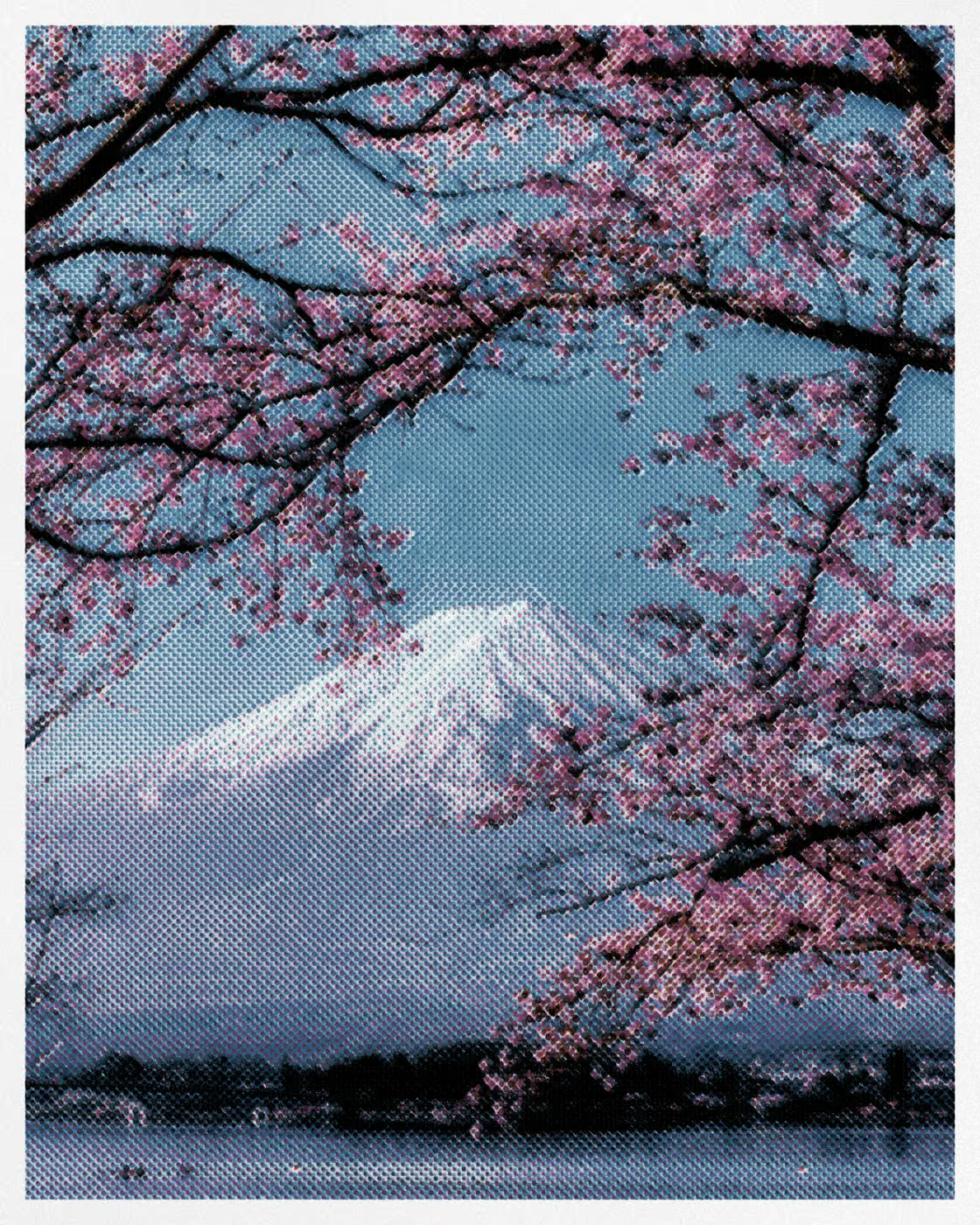
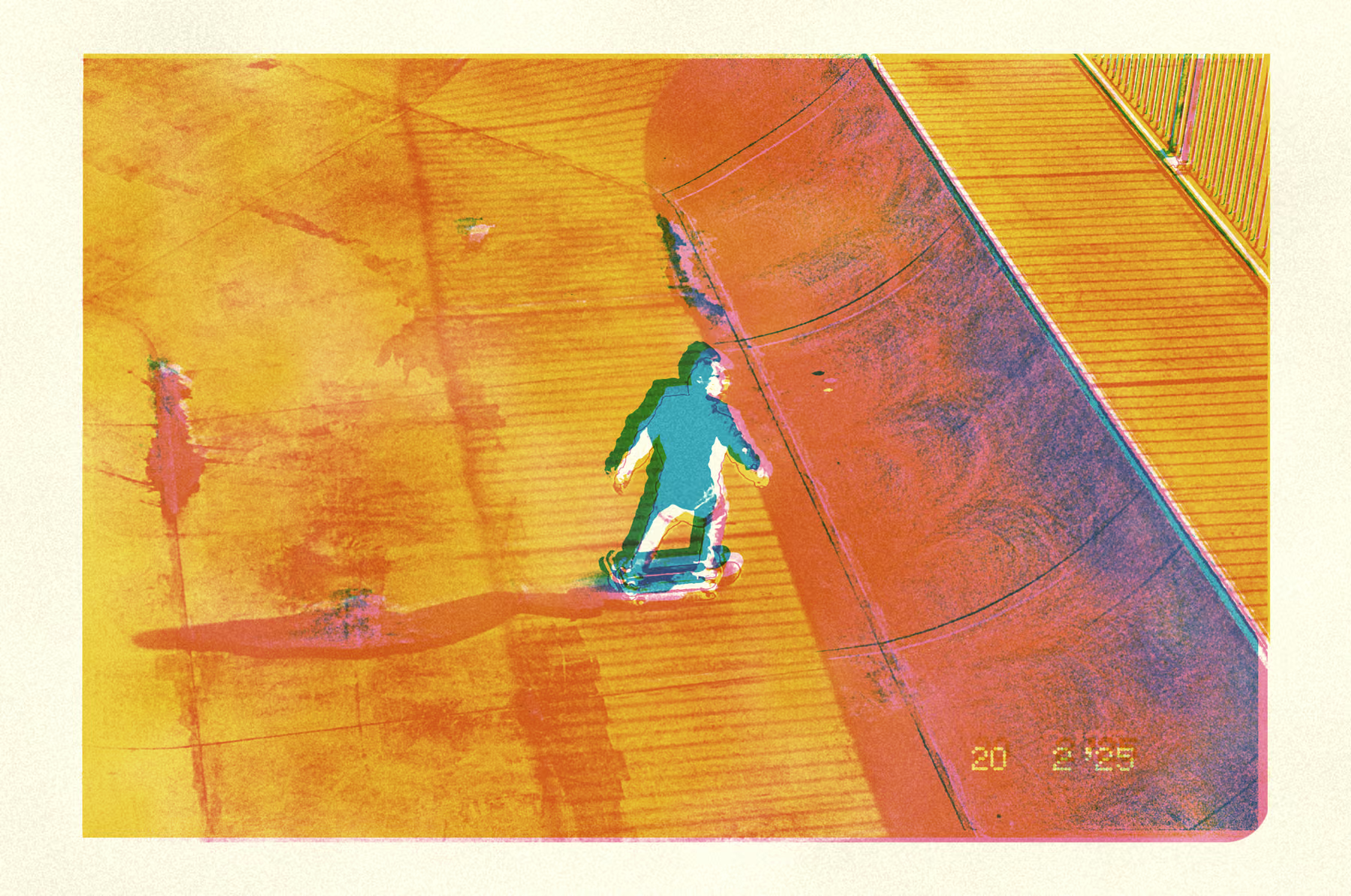
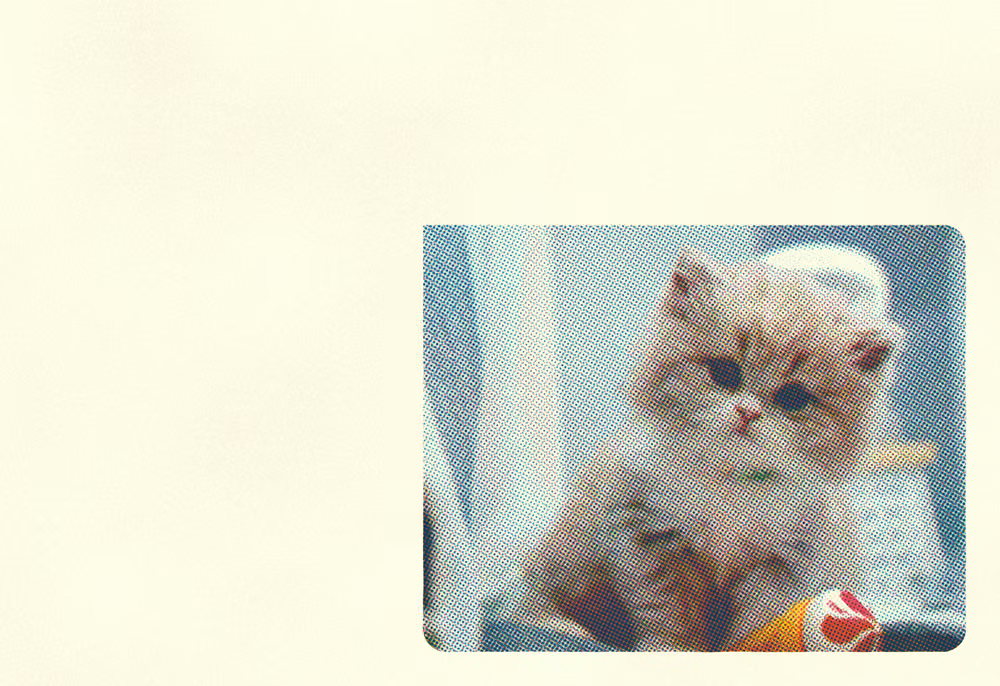
A risograph never reproduces a photograph. It re-draws it: two or three inks, each broken into a screen of dots, each plate laid down a little out of line with the last. The yellow ghost peeking from under a red dot, the halo where a cat's ear should have ended — those are not errors. They are the whole style.
RETROPRINT is that press, in a browser. Drop in a photo, choose the inks and the paper, and it separates, screens and overprints the picture the way a small print shop would have in 1978, mistakes included. Every print in this issue was made with it.
Read the whole piece: why misregistration looks good →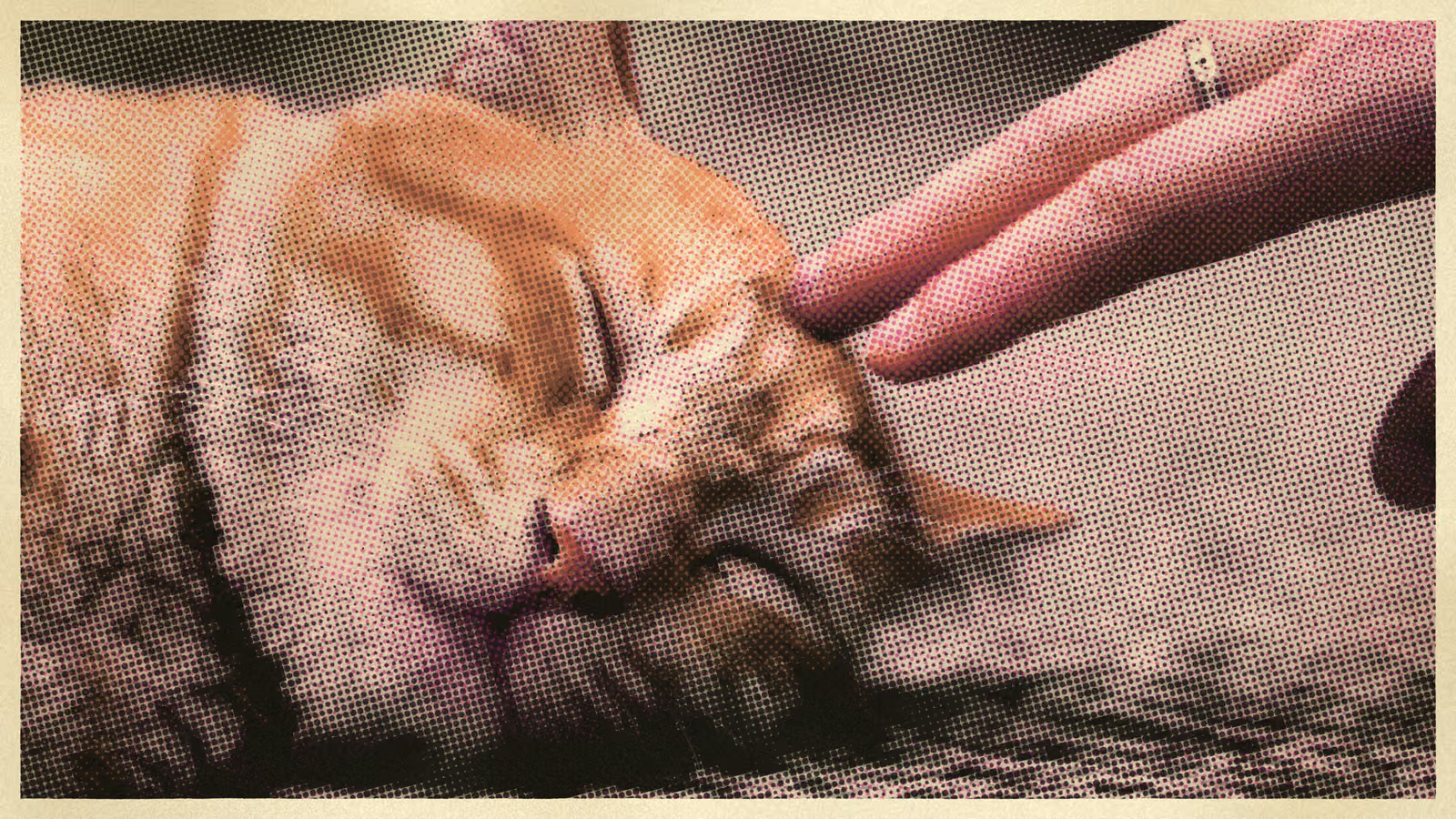
the pink plate slipped a millimetre. we kept it.
The fifty percent dot
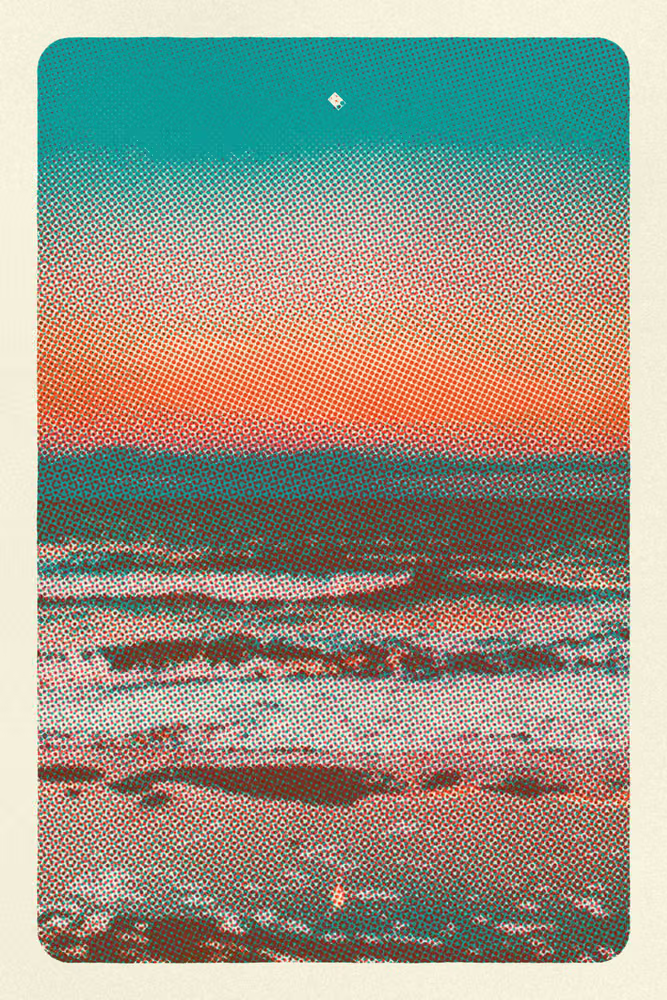
A halftone dot at fifty percent touches its four neighbours and the screen turns into a checkerboard. Below that line the paper wins; above it, the ink. Every print in this issue is a negotiation across it: the sky in the paragliding shot is one cyan plate hovering around thirty, the shadows on the pier push past seventy and close up into solid ink.
Read the whole piece: how halftone dots work →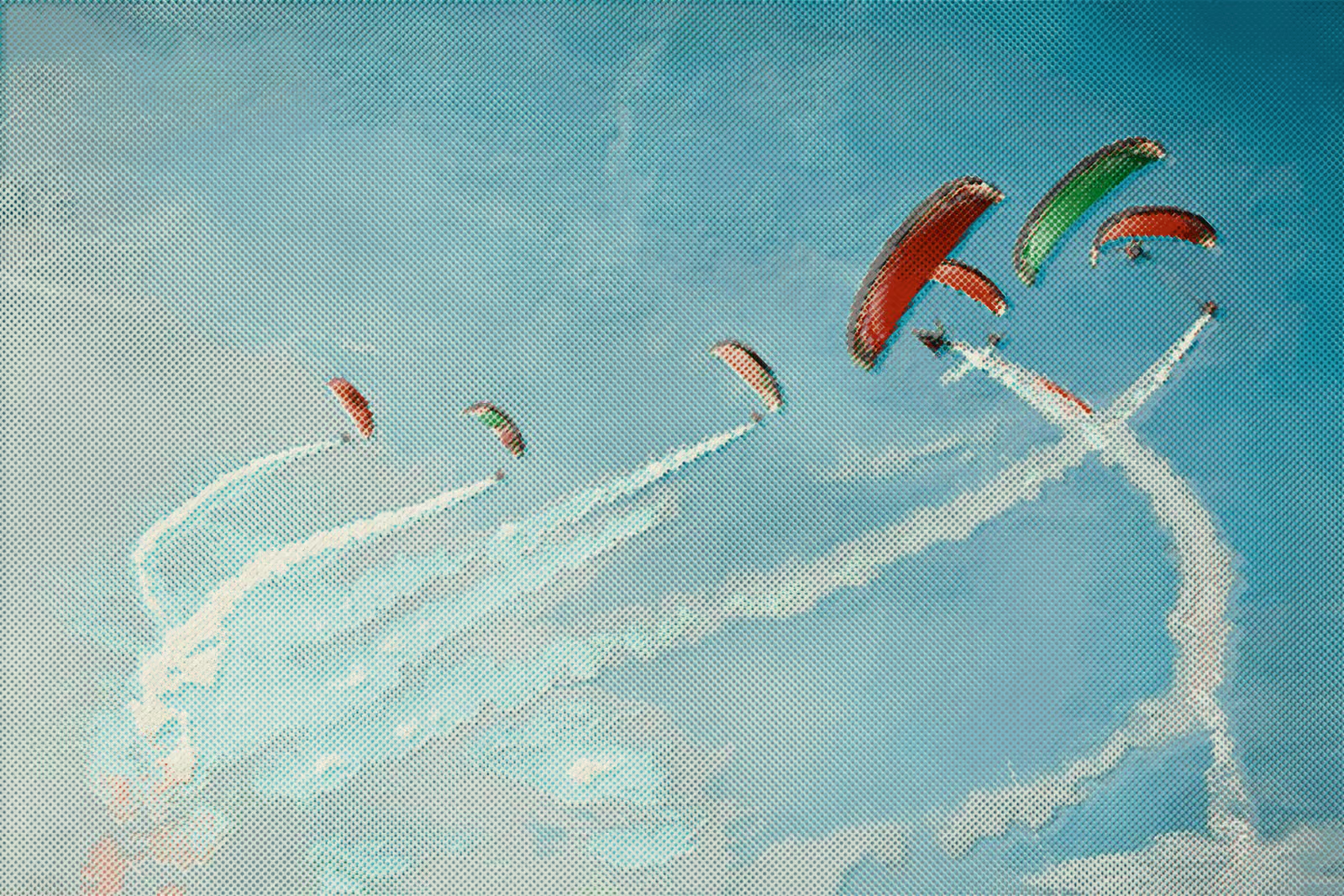
the sky is one plate of cyan, about thirty
Furry readers · 5 sitters · 24 plates
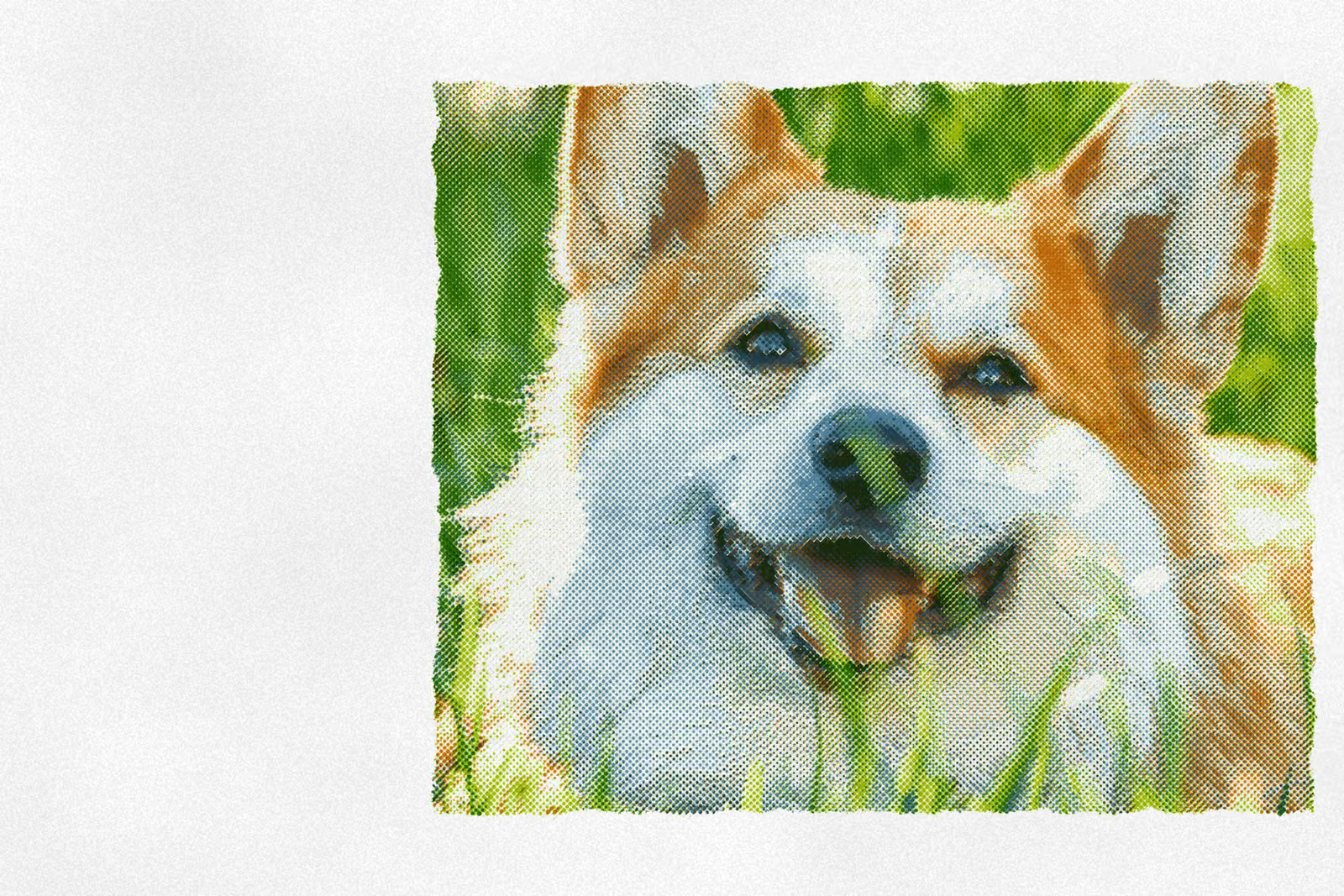
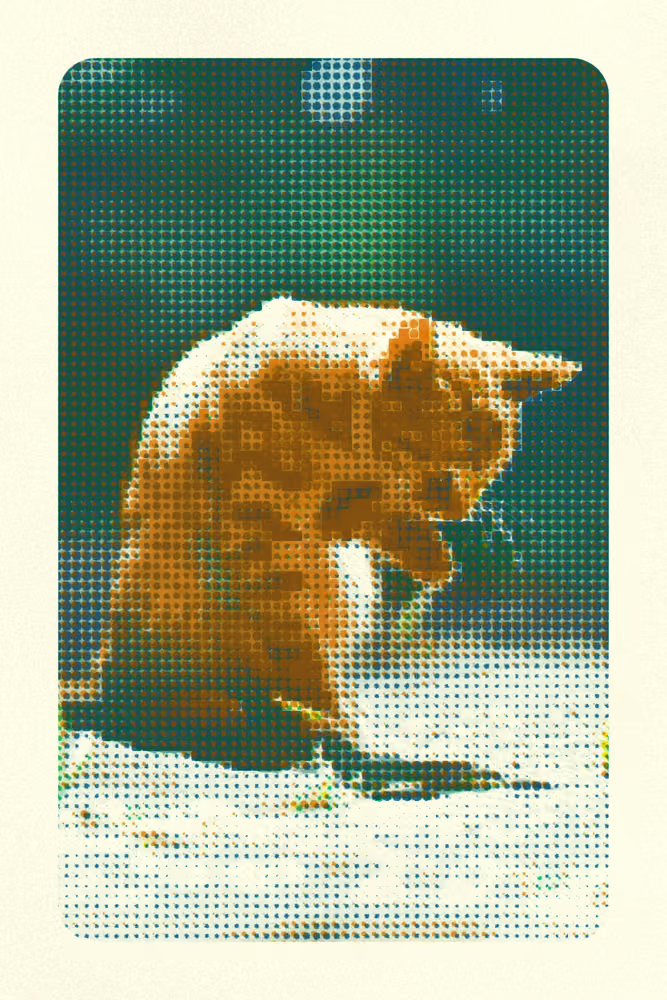
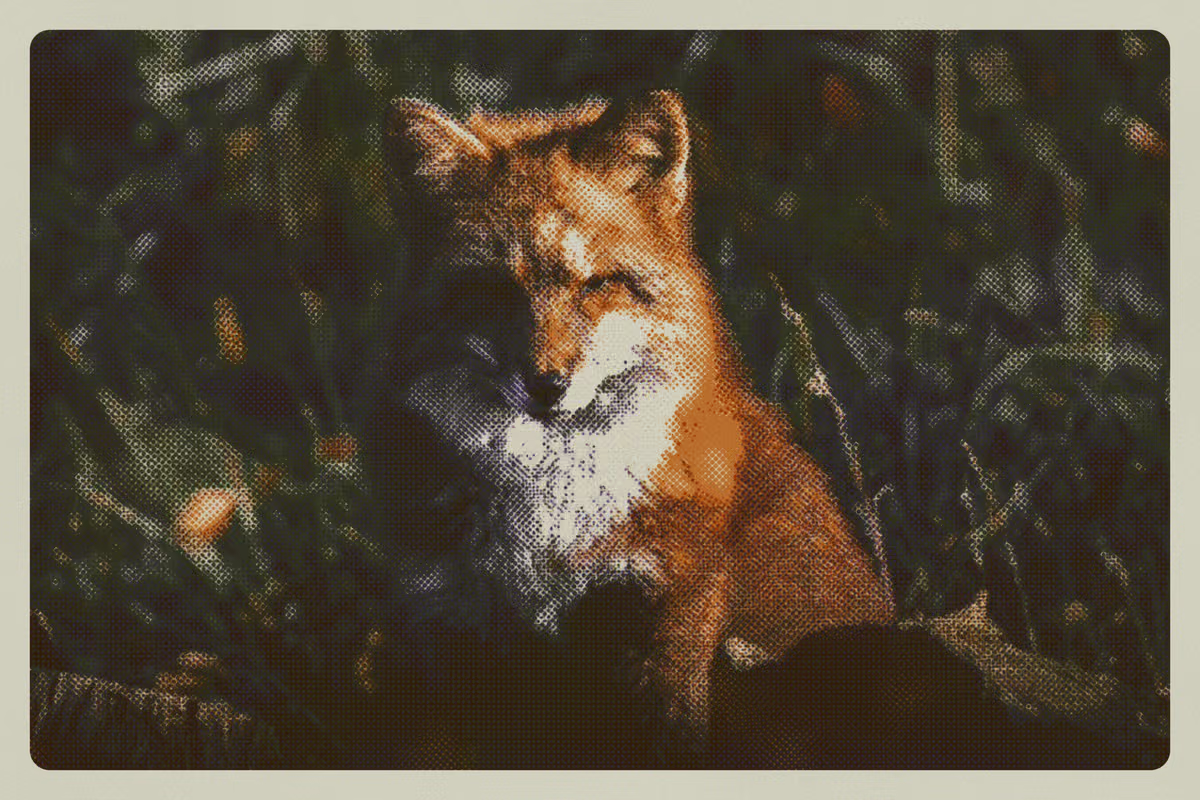
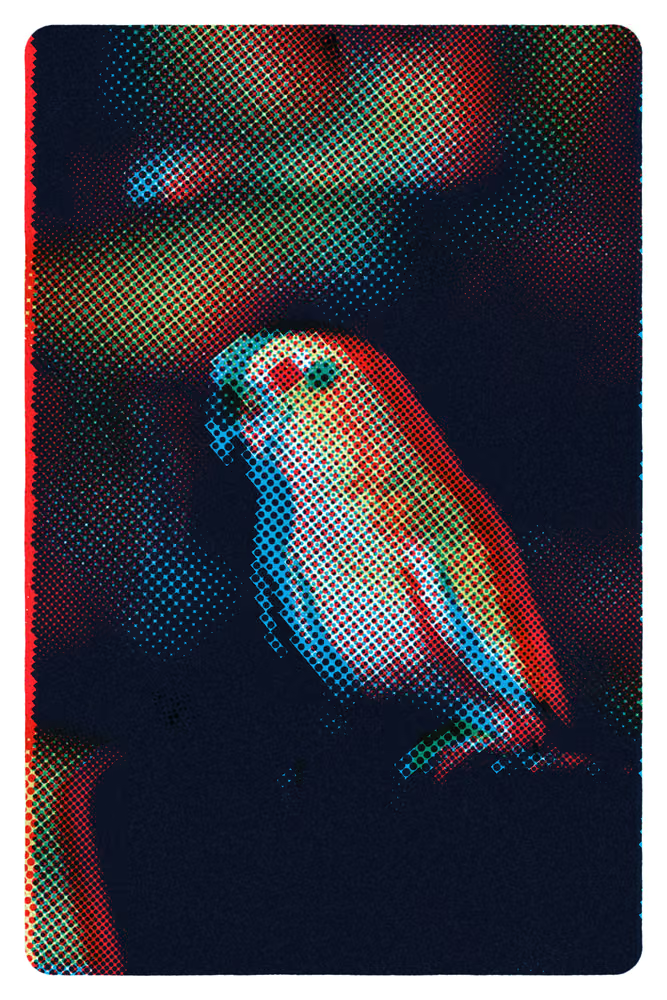
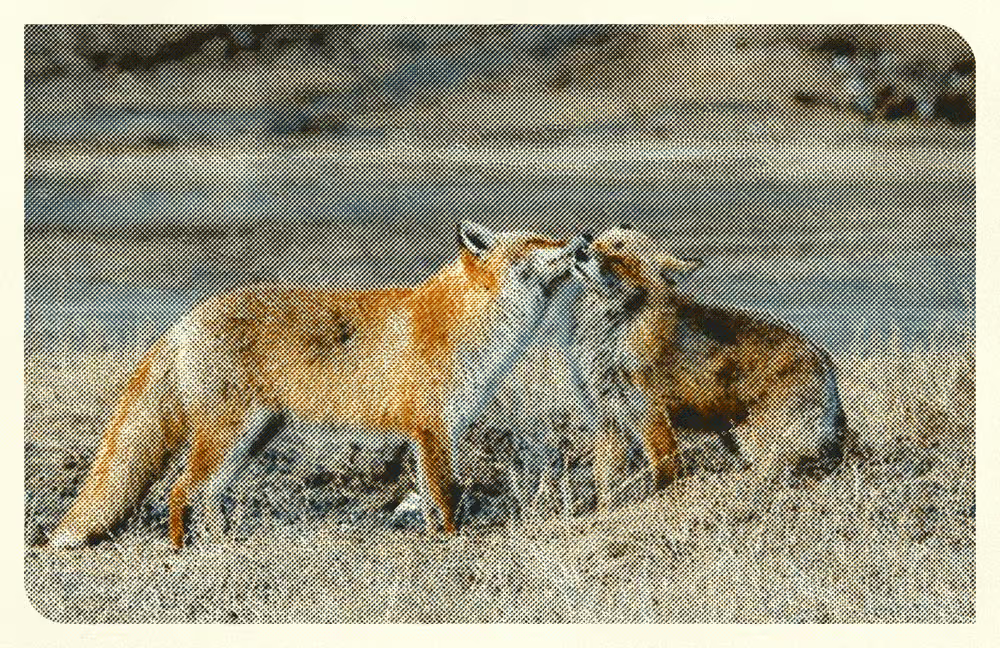
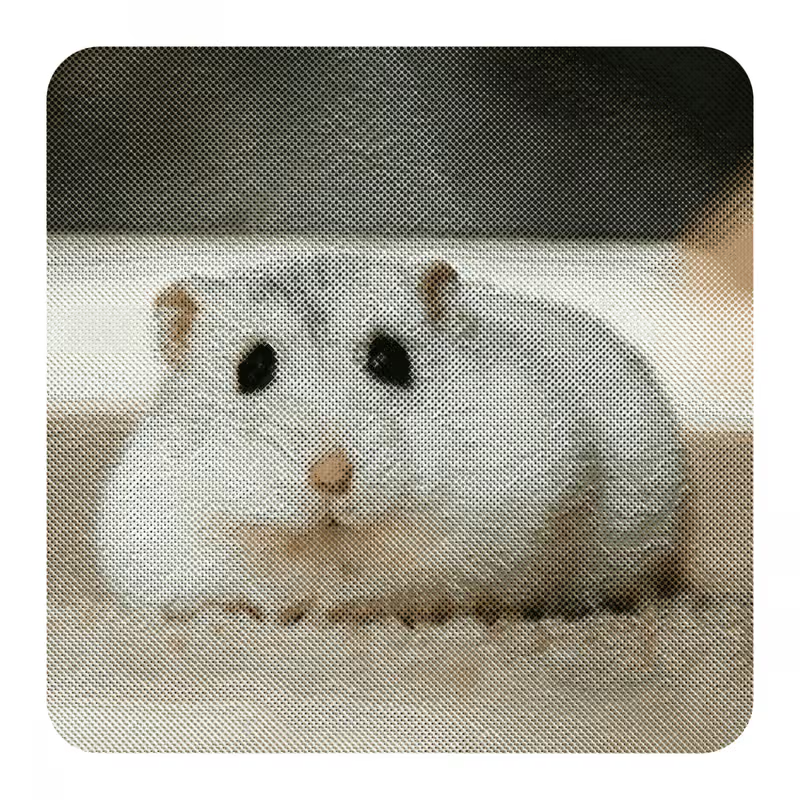
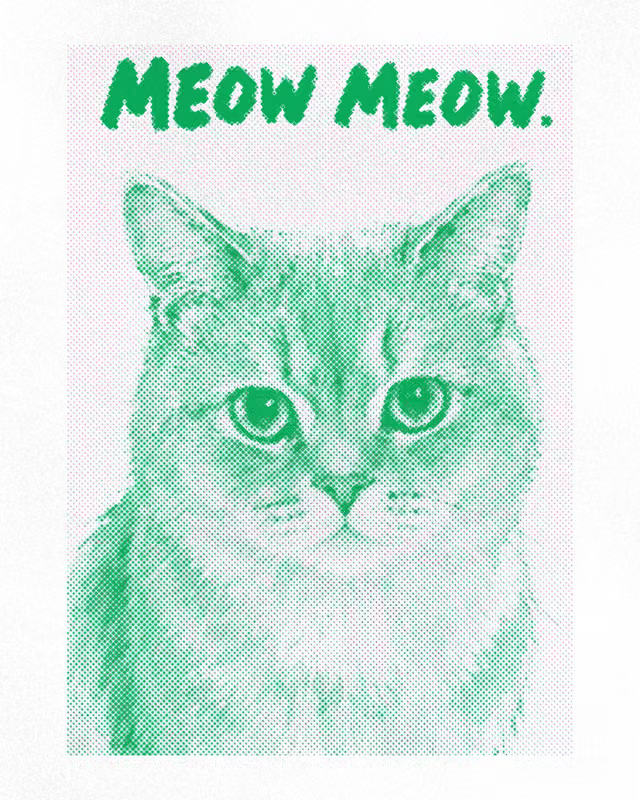
none of the plates line up. that is the portrait.
Four passes, one print
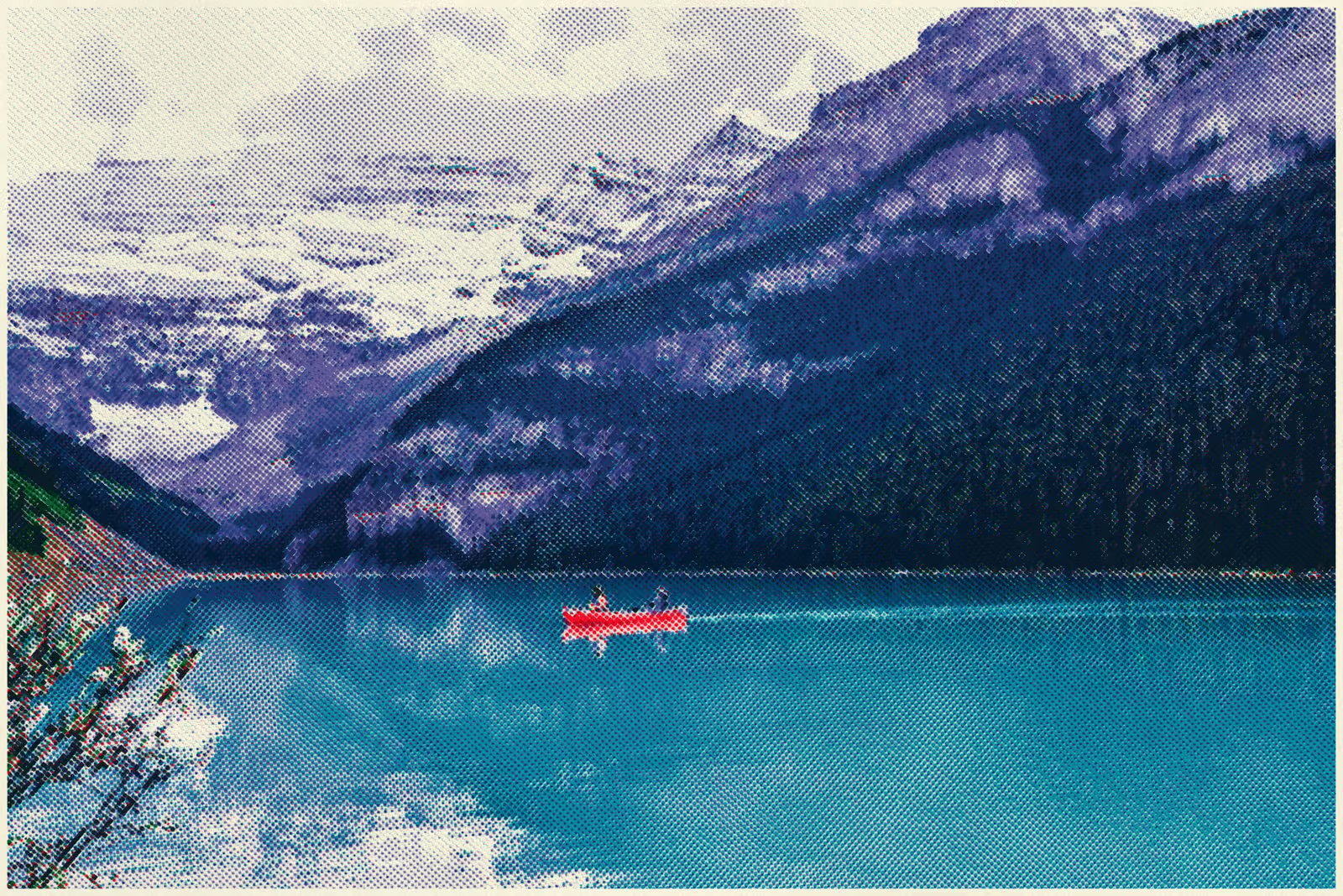
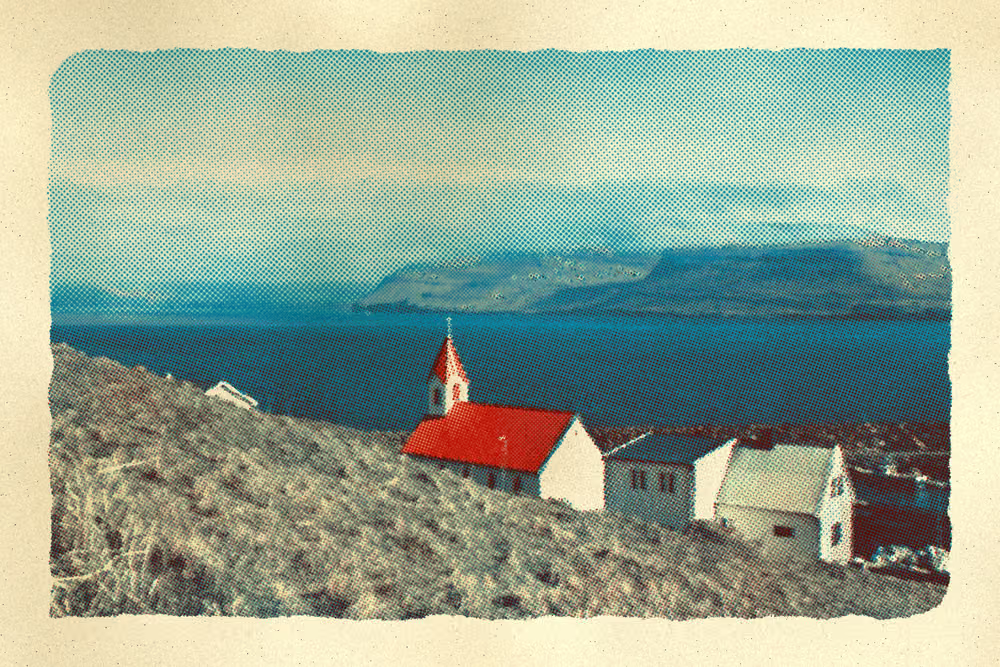
- 01
Separate
The photo is split into ink plates — match, tone, shadow and hue modes, or an automatic design that reads the palette out of the image itself.
- 02
Screen
Each plate is broken into dots: an AM halftone on a rotated screen angle, or FM grain. Angle, frequency, shape and jitter are all yours.
- 03
Overprint
The plates are laid back down one at a time, slightly out of register, with real ink-on-ink mixing rather than a flat blend.
- 04
Print
Procedural paper, edge wear and a frame finish it. Export renders the whole thing again at full resolution on the server.
Passes one and four run on the server, at full resolution. Two and three run in your browser, live, so a slider moves the dots the instant you touch it. What you download is always the server's print, so the file matches what you saw. Read the whole piece: what is a risograph print →
Proofs on the desk · an interview with the press
Why print a photo badly on purpose?
Because the good copy already exists. It is the photo. A print is worth having when it says something the photo did not.
How many inks?
One to seven. Two is usually enough. Six for fireworks over the harbour.
And the paper?
Procedural. Fibres, speckle, veins and stains are generated per sheet, so no two exports share a grain.
Where does the misregistration come from?
A seed. Change it and every plate slides somewhere else, by a margin you set. Zero is allowed, but nobody picks it.
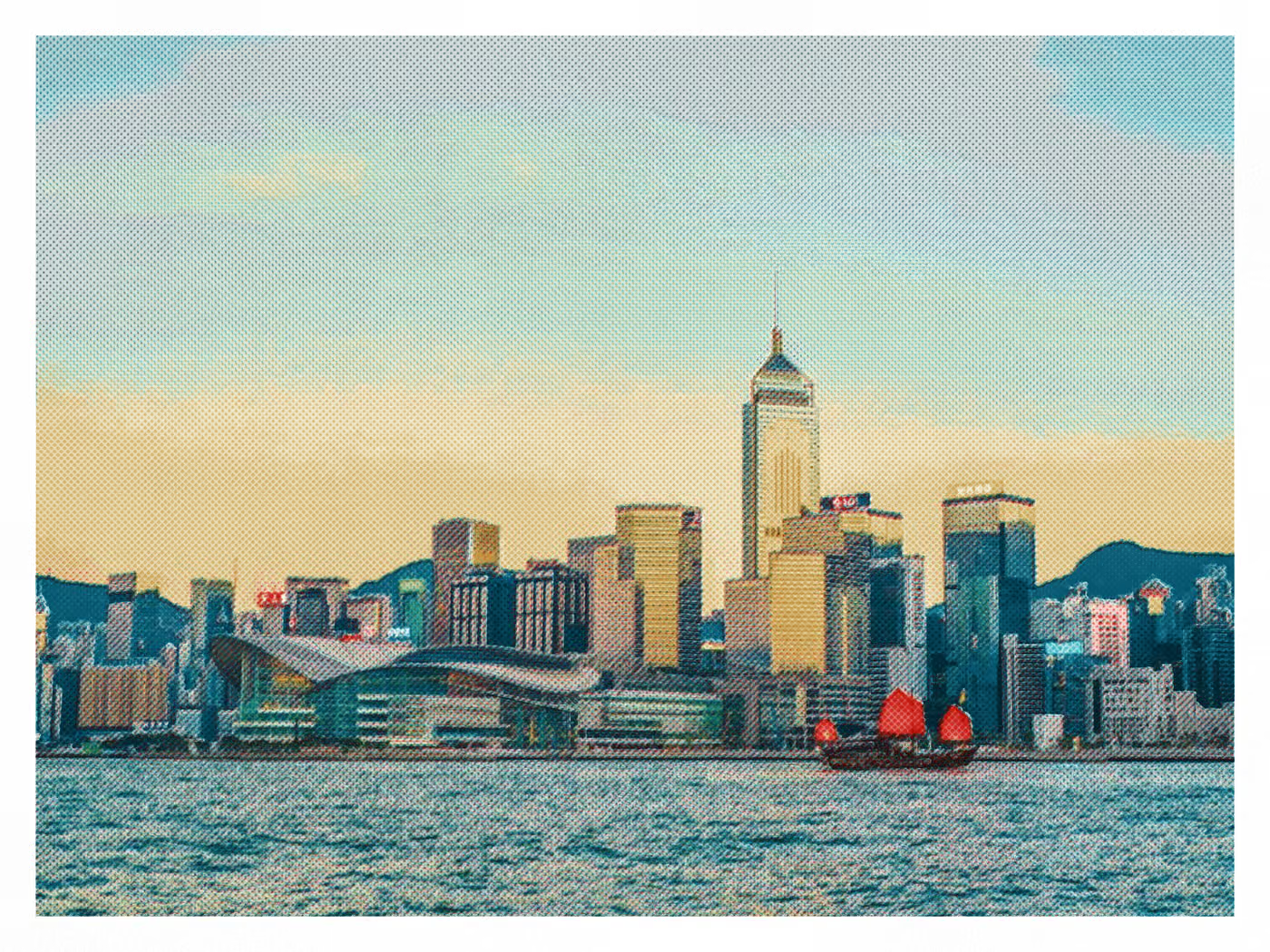
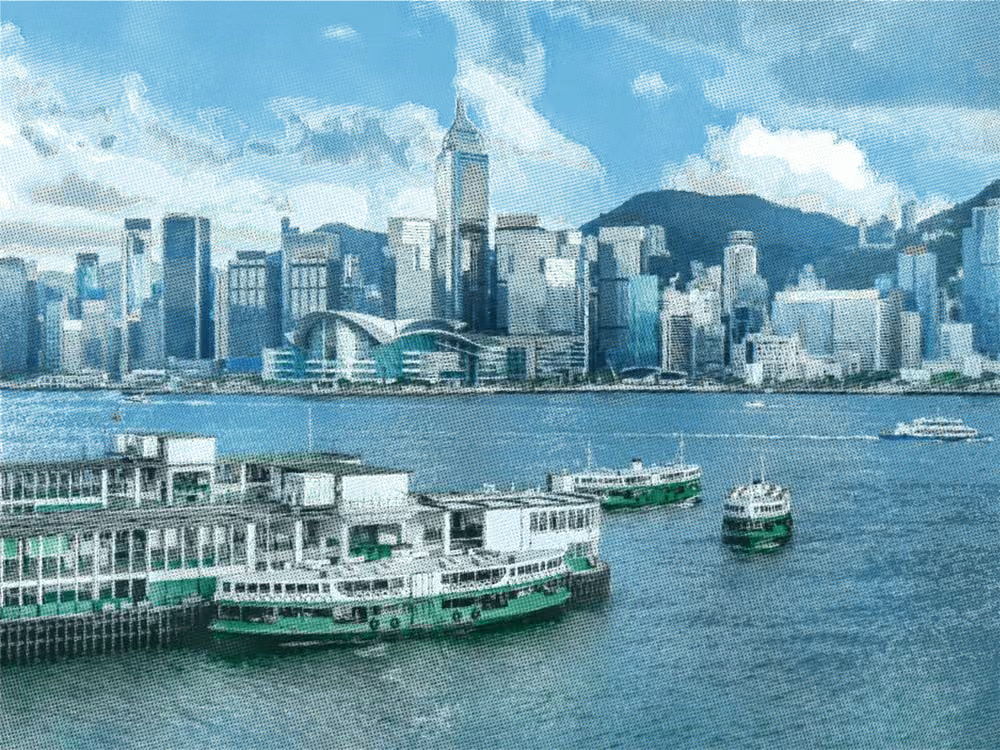
victoria harbour, five plates. the sail is the only red.
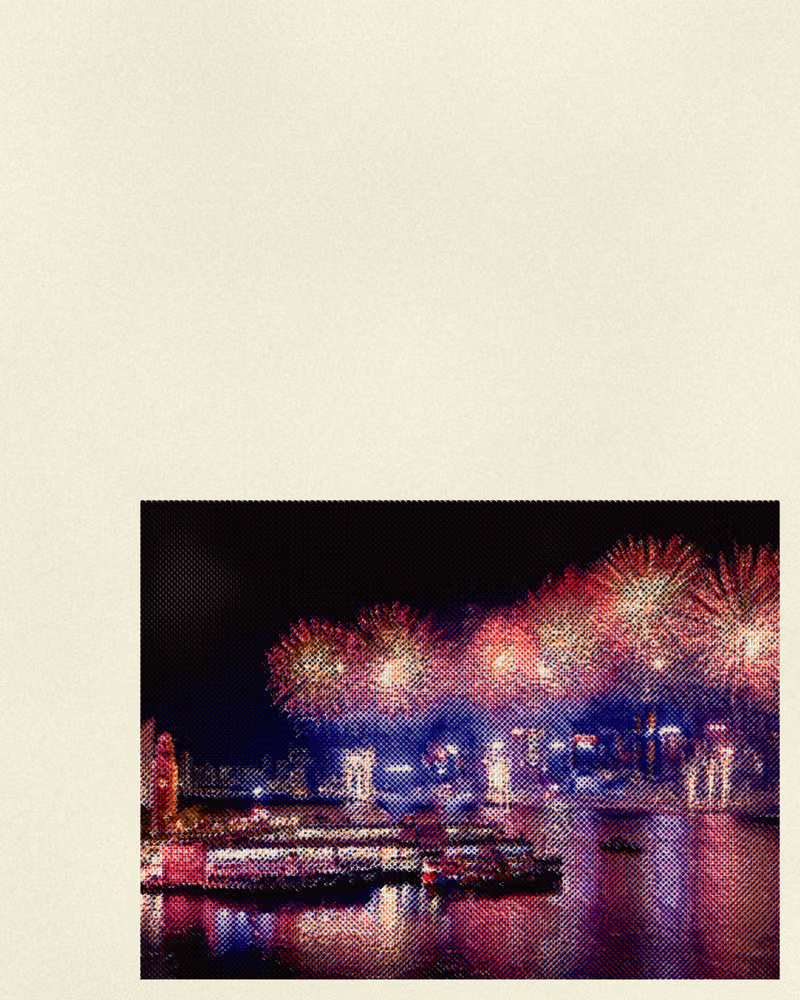
six inks, 250 lpi. fireworks over the harbour.
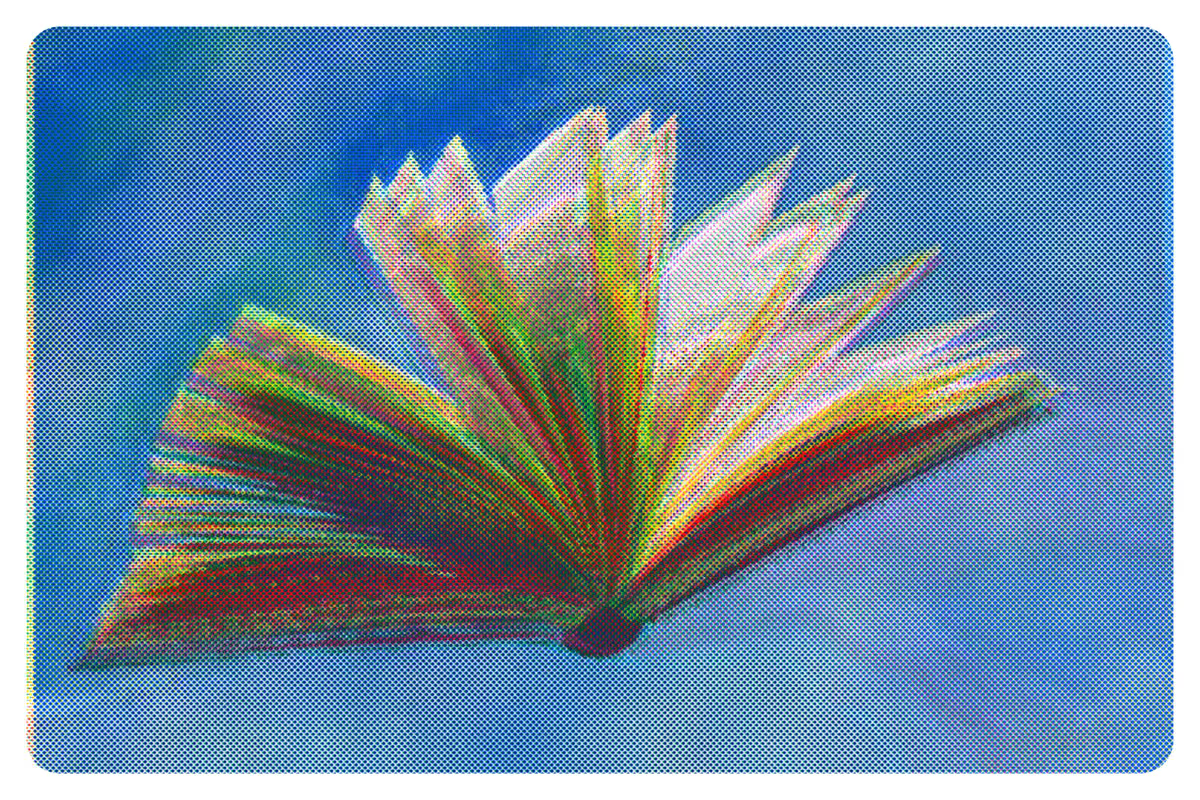
five inks on white. where they overlap it looks like seven.
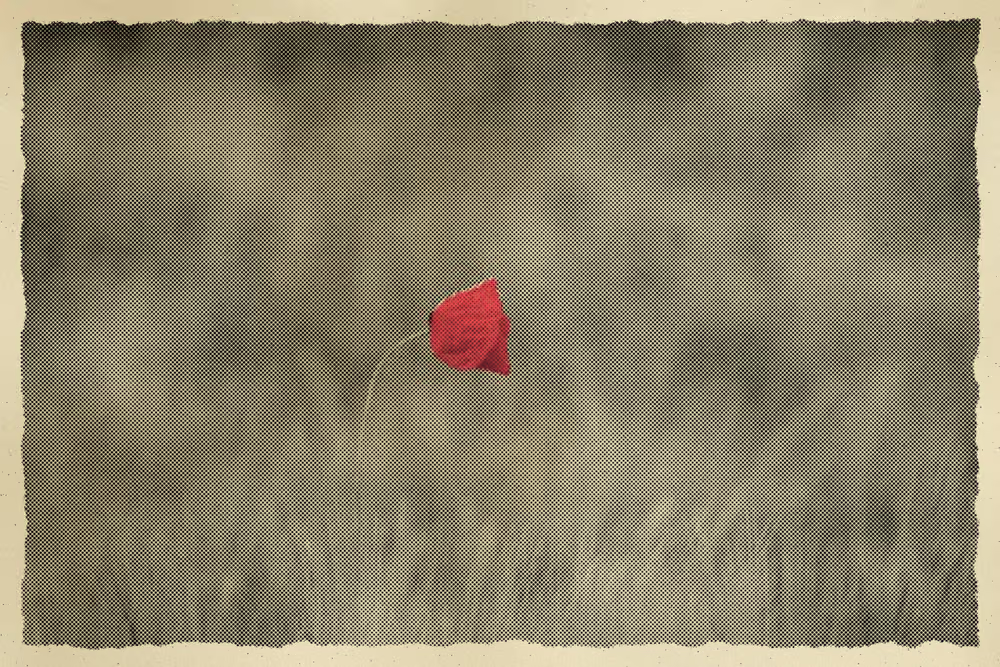
two inks. black, and one pink.
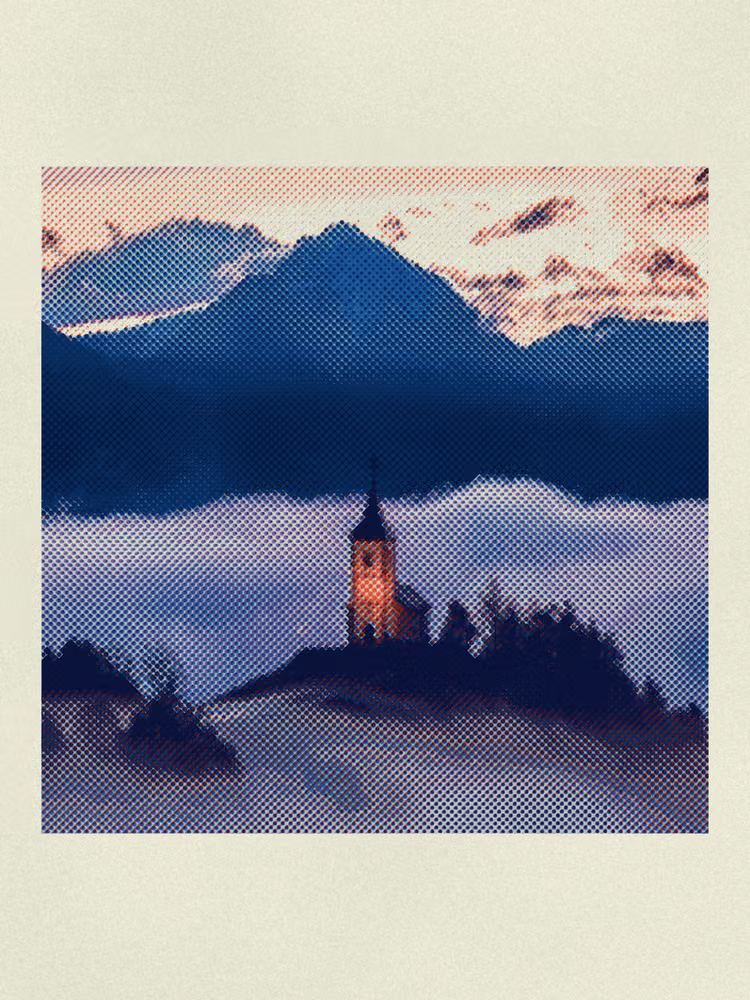
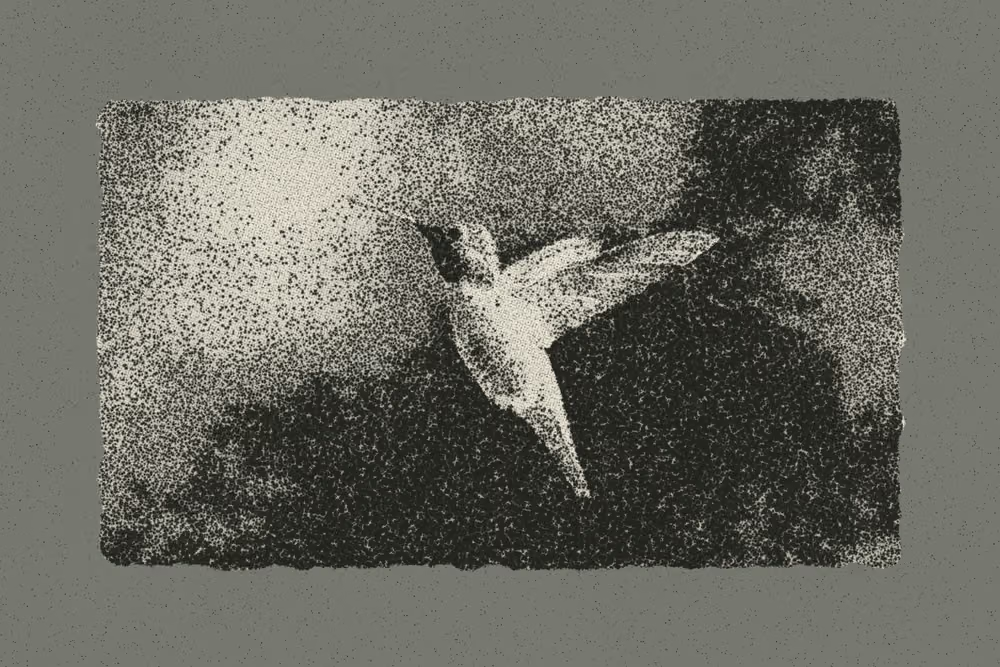
four, on grey stock
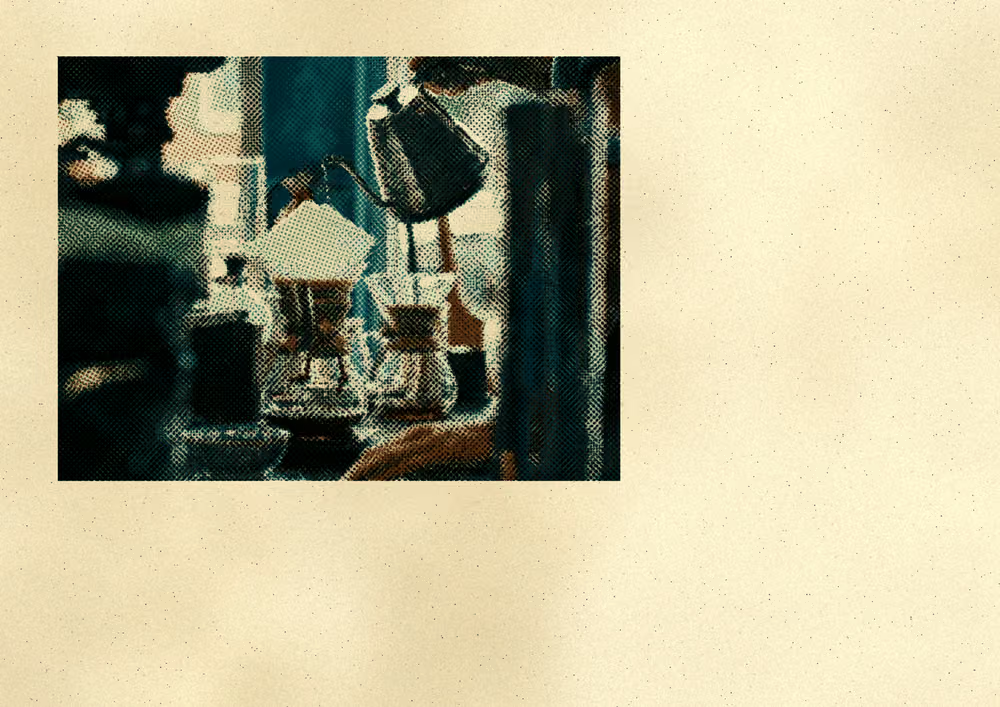
a small print on a large sheet, on purpose
Your photo goes here
Drop a photo. Pick two inks, or six. Let the plates slip. Export at full size, rendered again on the server so what you download is the print you saw.
Start printing